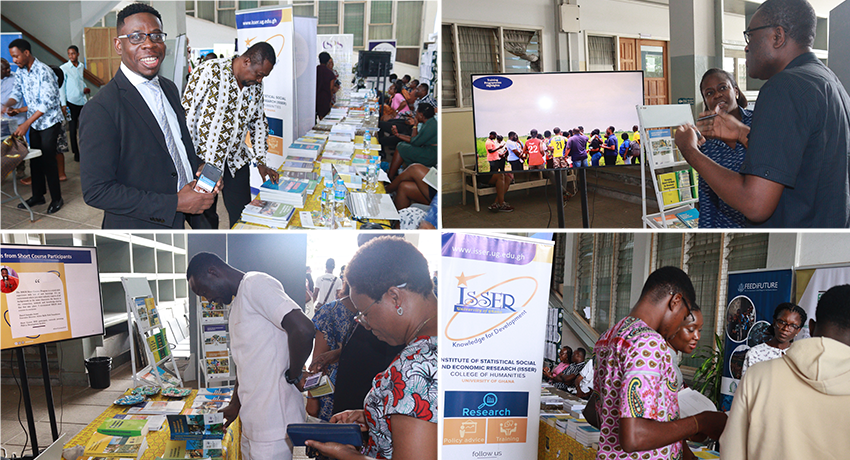
Ministry of Finance and University of Ghana launch historic economic roundtable at ISSER
IMG

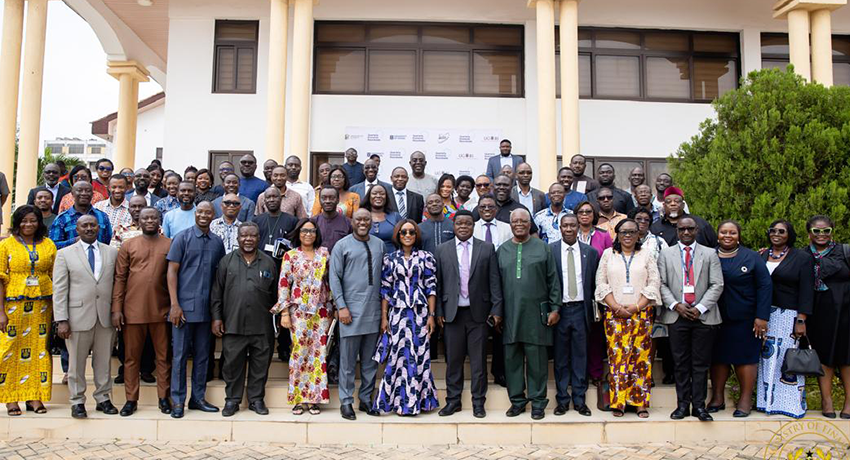
The Ministry of Finance (MOF), in collaboration with the University of Ghana (UG) have launched the Quarterly Economic Roundtable (QER). The inaugural QER, a historic event held on 2 July 2024 at the Institute of Statistical, Social and Economic Research (ISSER), marks a significant step towards fostering dialogue between academia and policymakers to address Ghana's economic challenges.

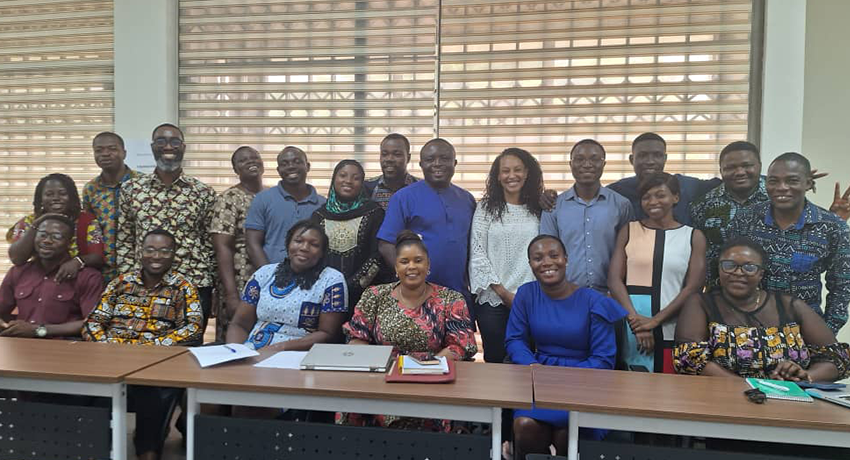
ISSER national policy forum explores role of Special Economic Zones in Ghana's industrialization

IMG

Amid ongoing discussions about strategies to boost value addition and manufacturing in Ghana—thereby enhancing export earnings, job creation, and inclusive development—a crucial question arises: What role can Special Economic Zones (SEZs) play in driving industrialization?

ISSER hosts National Policy Forum on Special Economic Zones

This policy forum presents and discusses the results and implications of a study on Special Economic Zones (SEZs) and Development. The study was implemented by the Institute of Statistical, Social and Economic Research (ISSER), University of Ghana and the Kiel Institute for the World Economy, Germany, with funding from the Riksbankens Jubileumsfond and the Volkswagen Foundation.


Date:    Friday, 7th June 2024

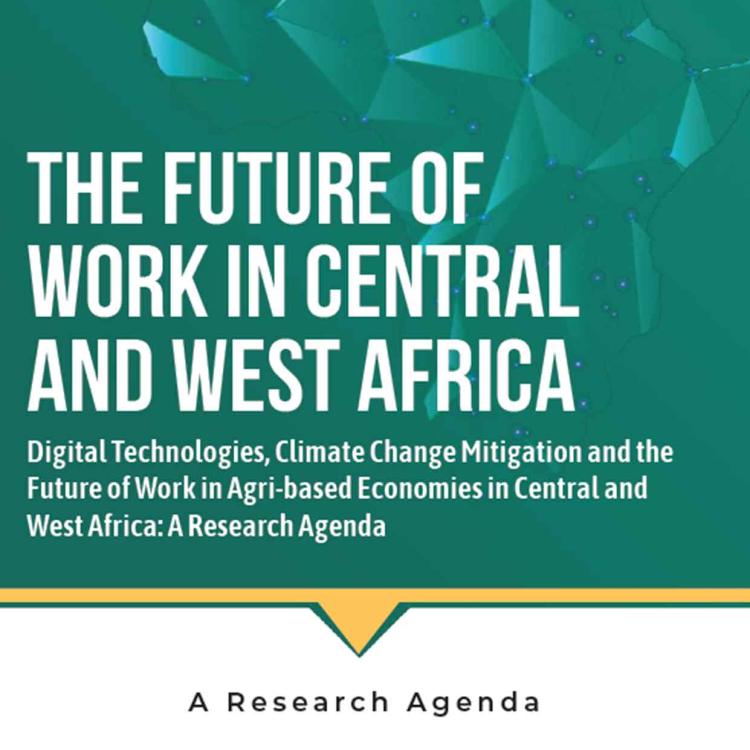
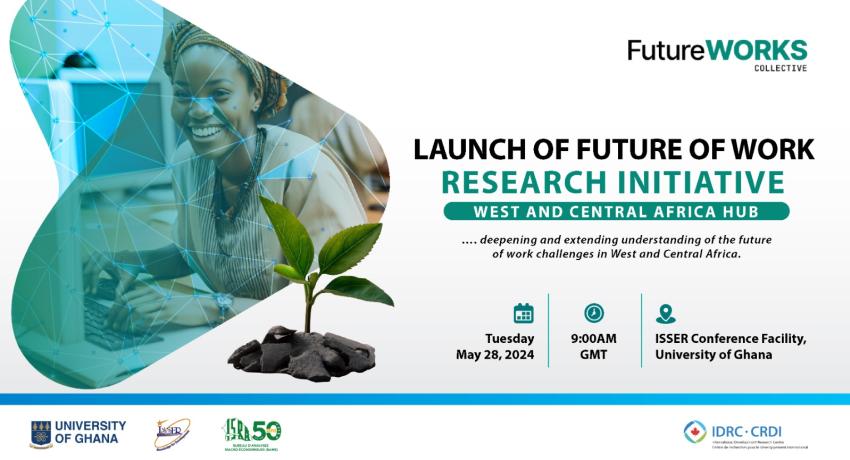
Future of Work Research Initiative (West and Central Africa Hub)

The Future of Work Research Initiative is a grants-awarding programme aimed at advancing research on the rapidly changing nature of work in the region. As part of the IDRC-funded FutureWORKS Collective, a five-year initiative focused on the Global South, the hub fosters high-quality research, evidence-based policymaking, and regional capacity-building.

ISSER to launch sub-grants for Future of Work research in West and Central Africa

IMG

The Institute of Statistical, Social and Economic Research (ISSER) is set to launch the Future of Work Sub-Grants initiative for West and Central Africa. Increasing technological advancements promise enhanced productivity and innovation but also pose challenges such as job automation, leading to loss of employment and socio-economic disparities. These concerns are particularly pressing in West and Central Africa, where there is limited insight into the effects of digital transformation on employment, compounded by climate change's impact on productivity.