

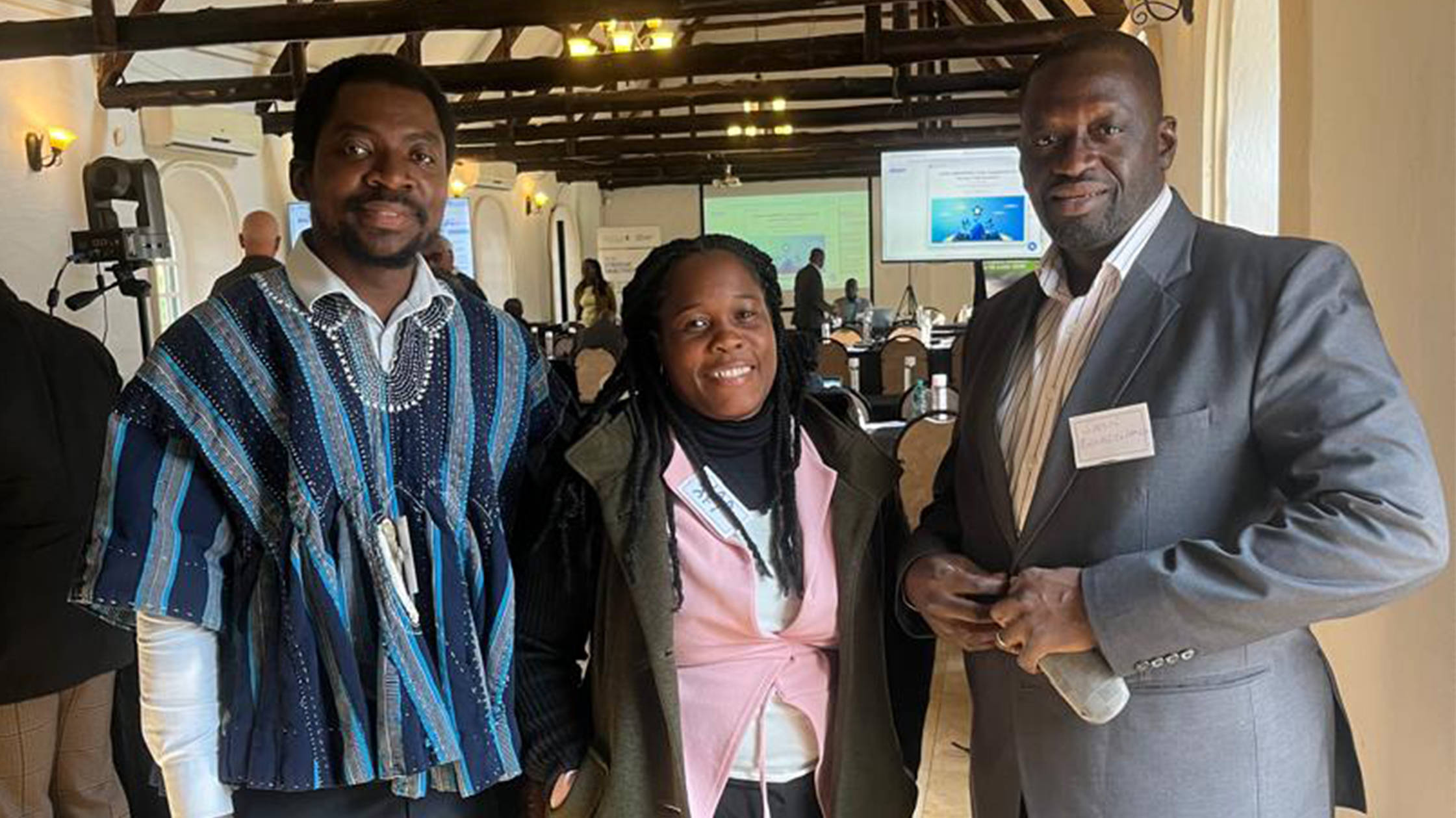
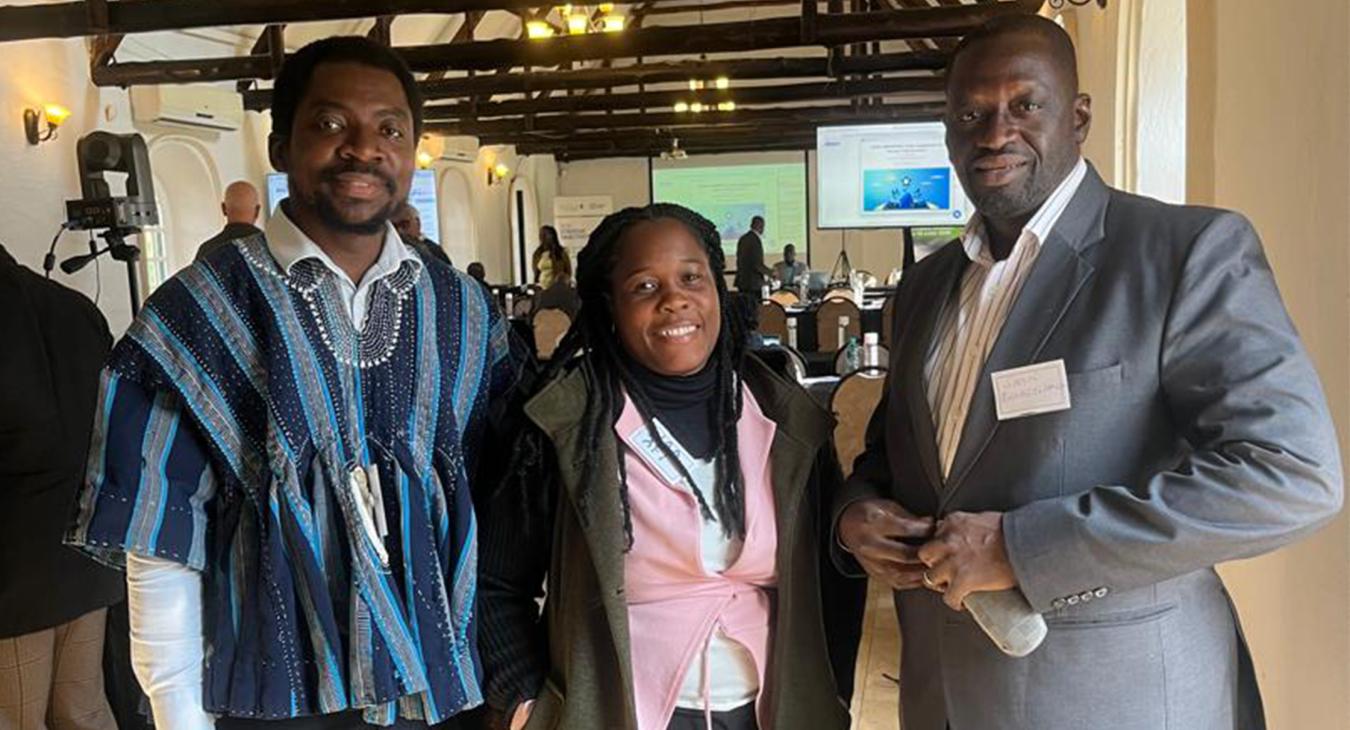
(L–R): Dr Kwame Adjei-Mantey (ISSER, University of Ghana), Dr Naa Afi Agra (Department of Earth Science, University of Ghana), and Prof Simon Bawakyillenuo (ISSER, University of Ghana) at the AGREE Workshop in Johannesburg, South Africa.
Researchers from the Institute of Statistical, Social and Economic Research (ISSER) joined colleagues from the Democratic Republic of Congo, South Africa, Tanzania, and Zambia at the African Green Resources, Energy and Economy (AGREE) Workshop held at the University of the Witwatersrand in Johannesburg, South Africa. The ISSER delegation, comprising Prof Simon Bawakyillenuo and Dr Kwame Adjei-Mantey, alongside Dr Naa Afi Agra from the Department of Earth Science, University of Ghana, presented Ghana’s research findings and engaged in discussions on country-specific evidence on critical minerals and industrial policy across Africa. The workshop was organised by the Southern Centre for Inequality Studies (SCIS) on 26 June 2026.
The AGREE project is a multi-country research initiative that examines Africa’s role in the global green transition, with a focus on the continent’s critical mineral resources essential for low-carbon technologies. Through research conducted across five African countries, the project explores pathways for mineral-based industrialisation that promote equity, value addition, environmental sustainability, and regional economic cooperation.
Ahead of the Johannesburg workshop, the Ghana research team, led by Principal Investigator Prof Robert Darko Osei, shared its findings during a virtual public dissemination event held on 5 June 2026. The session presented findings from the team’s study titled “Climate change, critical minerals, industrial policy and structural transformation in Ghana.”
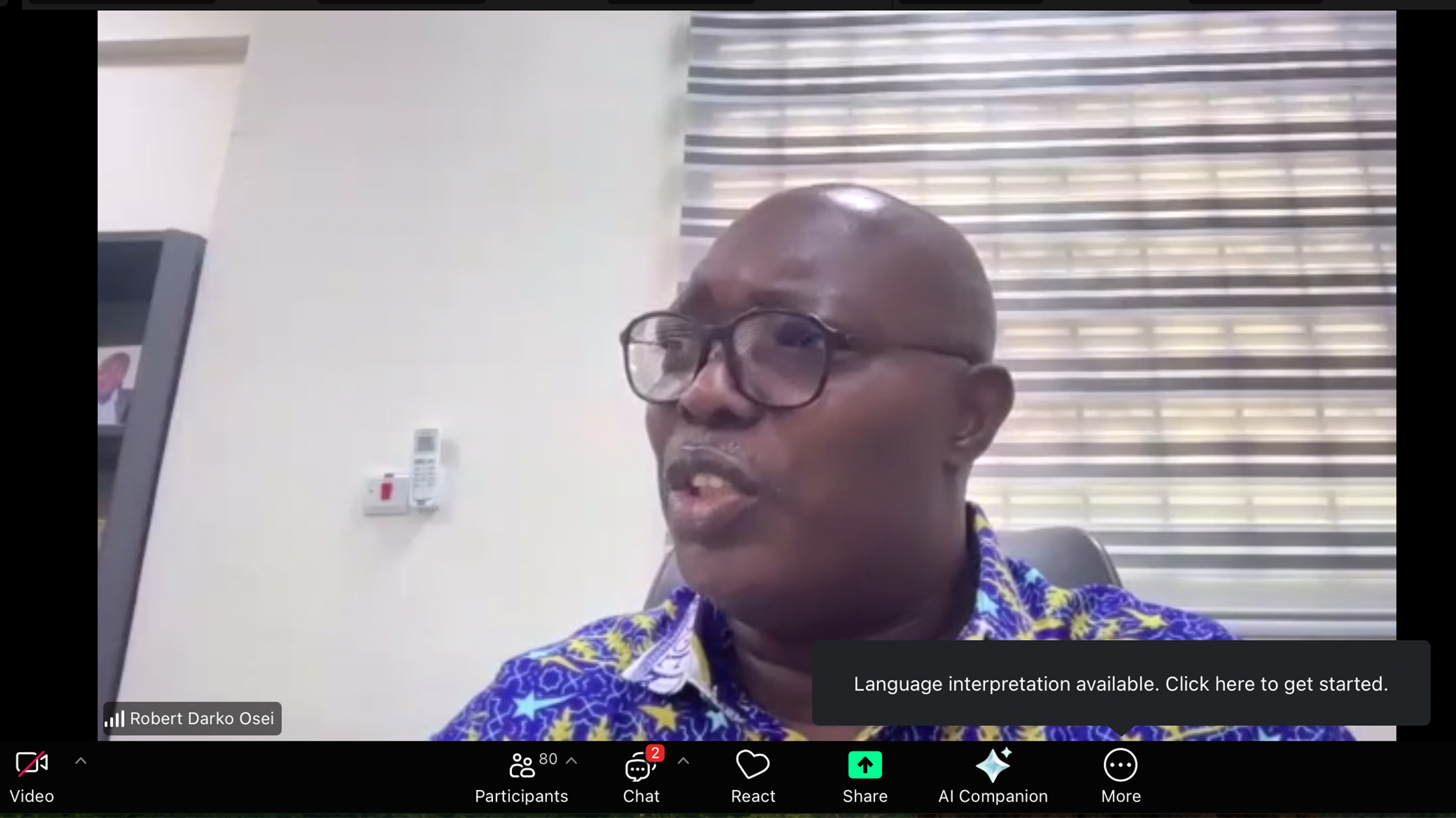
The discussion examined how Ghana's mineral endowment, including established resources such as gold and emerging resources such as lithium, is shaping the country's industrial policy choices and its evolving role in the global energy transition. It also highlighted the opportunities and challenges associated with leveraging critical minerals to support structural transformation, the green transition, and sustainable economic development.
Building on these discussions, the Johannesburg workshop brought together researchers from the five AGREE partner countries to share insights, compare findings, and strengthen understanding of the policy opportunities and challenges associated with critical minerals across Africa. The engagement also strengthened cross-country collaboration and contributed to a growing body of evidence to inform mineral-based industrialisation and sustainable development across the continent.
- Log in to post comments